Jono found his identity within his passion, and wants you to know that this is possible for anyone, despite what life throws at you

Jono proudly recounts the years that it took for his life to travel ‘full circle’ right back to where he started; dreams of being an elite athlete. As Jono says, finding our passion and then putting our every hard effort into making it happen, despite what others might say, is the only way to achieve our goals…
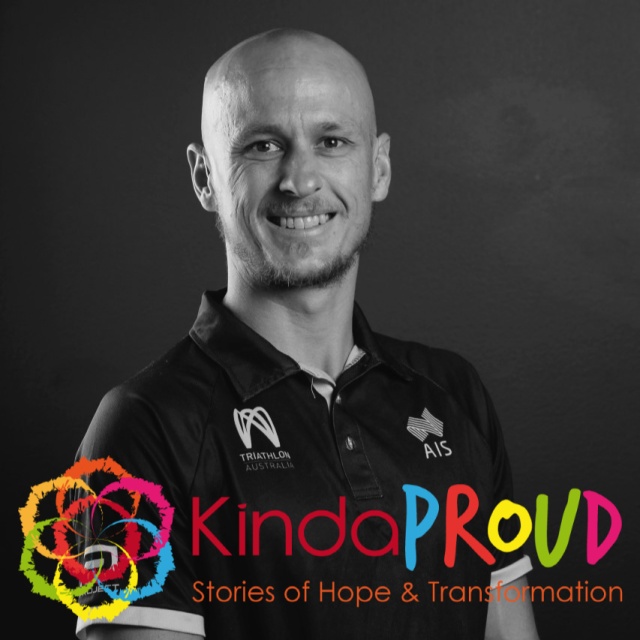
JonoG copy

Photo credited to Con Chronis


My name is Jonathan Goerlach, dob 07/11/1982 currently 37 years old and I was born in a town called Nowra on the south coast of new south wales, which is about 2 and a half hours south of Sydney.  I have 4 siblings and was raised by a single mum.  My mum Is Marianne, my elder brother is Ben, elder sister Katy and two younger sisters are Erin and Stephanie.

I’ve had hearing impairment my whole life. I was diagnosed at about aged 3 and shortly after that I started wearing hearing aids.  So for the first probably third of my life I was the hearing impaired kid and wore hearing aids all throughout primary school and some of high school. High school was pretty brutal – I was seen as the different kid because I wore hearing aids. I was singled out and bullied quite a bit early on and that led to me choosing not to wear hearing aids for much of high school just because I was seen as different.  That then meant I missed out a lot in class, didn’t hear what the teachers were saying but the bullying didn’t stop, I was always seen as different.

I was also very passionate about sport from a very early age, as far back as I can remember.  My dad was always into sport and my grandad. I didn’t have a relationship with my dad – my parents broke up when I was about four – so my grandad, Alan, he was pretty much my father figure (until he passed away in November last year) he was my best mate as well and he was very passionate about sport, and I learnt a lot about sport through him. So all through School I was passionate about all sports, and was quite good at a lot of them too, with a natural talent. Sport, especially through high school, was the one escape that I had from bullying and from feeling different.

I started playing tennis from about aged 8 and I played that religiously for about 10 years. So amongst all the sports I played were my passion and that was what I was really good at.  If I wasn’t on a tennis court I was up at the school which was across the road from the house I grew up in, and I’d be up there for hours hitting the ball against the wall, or up at my grandparents’ house doing the same thing. Once the school bell rang I would head straight to the Tennis Court and have my racket with me all day at school and head straight to training. It was one escape. It was my passion it gave me a focus it gave me a lot of drive; I was treated as an equal rather than being a hearing impaired kid or being the different kid, it was a place I was treated with respect for my ability rather than having a disability.

About aged 15, I had a visit from an aunty (my dad’s sister) whom I hadn’t seen for years. She came over with my cousins for a visit and I remember her vision wasn’t very good, I didn’t understand what that was at the time.  Mum tells me they were having a cup of tea and she was telling stories about me running into things or not being able to find things.  I’d had my eyes tested a few years earlier but the optometrist had told me it wasn’t anything to worry about, but my aunty who knew that I was also hearing impaired suggested to my mum that maybe I needed to get tested for this condition called Usher Syndrome, which is the condition that my aunty had been diagnosed with only a few years earlier. She was also hearing impaired and she found out that she had the vision impairment side of things too, with the RP (Retinitis Pigmentosa). So that visit from my aunty prompted my mum to take me down to a local optometrist and they had the facilities to do the peripheral field testing and even twenty years on  I still remember everything about that appointment.

I remember waiting beforehand to go in. The optometrist was in the local shopping centre where my mum had worked for many years prior to that.  The shopping centre had shut down and we were the last appointment to go in. We went in and had the field test done, my grandad was there with me, and I still vividly remember afterwards in the waiting room when the optometrist brought out the results and spoke to my mum and my grandad and showed me the results and showed us the spherical graph that we all know too well about having RP, with the black circle on the outside and the white in the middle which is all you can see with your peripheral vision, and seeing my mum being upset. I knew something wasn’t right.

At that stage it wasn’t confirmed as Usher Syndrome, until I saw a geneticist a couple of weeks later. They confirmed that I had Usher Syndrome. The Optometrist explained that I may go blind one day and as a 15 year old kid who still had some vision that was confusing. But to know what being blind meant it made me feel a bit numb at the time, and I didn’t know what to expect – but of all the things you might think, all the questions that you would ask that told you would potentially be blind one day – they weren’t questions like ‘Am I going to be able to have a proper job?’ ‘Am I going to be able to have a wife and raise children?’ ‘Am I going to be all the normal things that people do?’ The only question I had for my optometrist was ‘Am I going to be able to play tennis?’ I was so passionate about tennis and about sport and that was all I cared about at that age.

That was what gave me my identity. That was my purpose, so when I got told I wasn’t going to be able to see my first thought was that I wasn’t going to be able to play tennis. So that was a bit of a shock.

From that point on I didn’t really tell anyone about it; it was only my family that knew. So for the last few years of high school I pretty much flopped; I wasn’t engaged in it. I still did everything to do with sport. I still played sport. But I got to a point, where I was 18, and I got sick of paying sport, because I couldn’t compete with everyone anymore.

It wasn’t a level playing field. My vision was getting worse. I learnt that my night vision was an issue with RP and that training at nighttime with tennis or ARF (Australian Rules Football) was all too difficult. I gave up playing sport and gave up my passion.

My older brother and sister were living and working in Sydney – so I decided to move up there and try something new. I moved up there and had to learn to live with being legally blind. Back in 1998 the internet was still pretty new at that stage; it hadn’t been about that long. There was definitely no social media- no smart phones – or any of that. There were no support networks. I wasn’t getting any professional support from anyone who knew what to expect or from anyone who knew what it was like to live with a degenerative vision impairment I didn’t know anyone with the condition apart from my aunty (but we weren’t really in contact at that stage). I didn’t know anyone else who had the same vision impairment let alone the Usher Syndrome, I didn’t have anyone to talk to. I was alone and I was the only person I knew with this syndrome so I ended up just keeping it to myself and just trying to deal with it.

I had no support – I was alone in the world and I felt as though I had no choice but to just bottle it up, push it down and go on with things as if I was still okay. So for several years, living in Sydney, going from job to job looking back on it I was in denial. I spent many years not talking about it and not dealing with it. Not doing anything to prepare for a life with a disability, or even accepting that I had a disability – so that meant that there was ongoing trauma under the surface there, with me not dealing with this problem that was continuing to grow.

Through those years (between 18/19 years old and 25/26) I had no identity because I had no purpose. I wasn’t playing sport because I wasn’t studying or doing anything that I was passionate about. I was just trying to fit in to society and fit in with my social groups. I was out partying every weekend, taking recreational drugs just being a single young person, travelling a lot and going overseas, and partying overseas and still getting cultured and seeing different parts of the world but I was just trying to do what all the young people were trying to do at that age and trying to fit in and not be seen as different as I was in high school.

I had a real big reality check at about age 26/27. My GP had been hassling me to prepare for the fact that my vision was probably getting worse and that I needed to prepare for life potentially being blind one day. I hadn’t been doing that and he could see that. And he urged me to go and get my eyes tested again.

At that stage it had been almost ten years roughly since I had had my eyes tested and so sure enough I got a referral and it was out of one of the Hospitals in Sydney. That was in itself a traumatic day. It was two hours travel to this hospital, where there was an ophthalmologist. And it was a six hour process from when I got there; getting the eye drops, getting all the nurses to do all their checks first and then sitting in the waiting room for another hour and a half with dozens of older people who were getting their eyes checked. It was a really depressing environment to be in.  Eventually when it was my turn to see the ophthalmologist I had about 5 minutes with him and all he told me was, ‘Oh yeah, you have Retinal Pigmentosa and this is how bad your eyesight is now.’

There was no advice, no information; I asked if there was any cure or anything like that happening and he said, ‘No, nothing like that happening. Maybe in 10 years.’ And that was it, I was just left with the reality and this updated information which told me that my eyes were getting a lot worse and that I was well on the way to being blind one day, and that was it. I had travel two hours back home and stupidly I did all that on my own. Even though I had family offer to go with me that day, I didn’t take them up on that. I was too stubborn and again this was part of that process of denying it and not wanting it to be a problem. My GP was right, I hadn’t prepared for it and I was still trying to process what it all meant, and what it meant for me. At that time I went into a downward spiral.

I still remember my first anxiety attack sitting with a big group of friends. It was after a big night out and we were all sitting in a café having breakfast and it just hit me. I don’t know why, I don’t know what caused it. I just had this overwhelming negative feeling come over me and I started to panic and get the sweats. I just literally stood up and walked out. I didn’t even say anything to anyone, which was probably weird to everyone. I just walked out of the café and raced home and locked myself in my room. It was horrible.

That happened more times but that was my first experience of mental health issues. I didn’t know what it was. It was all new and I think that came off the back of being a bit depressed and not knowing that I was depressed. It took me about six months of not hanging out with my mates, and not being the same person that I was – until my mum noticed what was going on and said I needed to go and see someone.

My same GP referred me to a psychologist, the same one I’m seeing now. I’ve been seeing her for 12 years now and she’s amazing. I’m so glad that I have been able to work with someone on my mental distress. That was the very starting point of changing my life around. I had to learn what mental distress was and I had to learn that I could regain charge of my life and set myself on the right course. Being a visibly impaired person your family and friends are very protective over you and quite often can shelter you too much. I allowed that behaviour to the point where there were things like when I was 21 I said that I would like to go and live overseas and they said that would be too hard for me and that I wouldn’t be able to get a job. I believed all that, and that was an example of times that people would make decisions for me and I didn’t have the confidence or courage to say ‘No. I can do this.’ because I didn’t know if I could.

With the psychologist I learnt to reclaim my independence and make decisions for myself. For example when I was 4 years old I nearly drowned in my dad’s backyard pool and that traumatic experience meant that for the next nearly 24 years I never went near water. I never learnt to swim. I didn’t participate in carnivals at school. I missed out on many events and opportunities with friends and family over the years because I avoided water.

One of the things I challenged myself to do was to learn to swim. As a 27 year old I attended swimming classes and I learnt to go and find things that I enjoyed again. I had spent so many years doing things to fit in with other people but I wasn’t doing anything for myself. And one of those things was to start playing sport again.

My eyesight was definitely a lot worse than when I stopped playing sport. I needed to go and do something I enjoyed and that I loved. It wasn’t tennis; I wasn’t ready to go and do that. I hadn’t picked a racquet up in years, because it scared me to think I wouldn’t be able to play tennis like I used to.

I was living in Sydney and I had always been interested in rowing. I joined a rowing club. That was the first sport that I played and I did that for about 18 months and I really enjoyed that. This was at the same time that I was learning to swim. So interestingly I am learning to swim but I’m out on a boat. Most of our training would be at 5am so we would go out on the water in the early hours when the water was flattest and smoothest which was also when it was pitch black for at least the first half, if not most of the training session. So you know you’re out on the water, you can’t swim you’re nervous as hell and you’re learning this new technique which is quite technical and hard and it was pitch black and I couldn’t see anything. So that was throwing myself in at the deep end but without jumping in the water which we didn’t want to do.  Then one of the other challenges I set myself was going overseas and living in another country which is something I was told I wasn’t capable of, so I saved my money and spent a year working it all out.

I got my visa for the Netherlands and booked a one way ticket. I didn’t book a return flight and I just said; ‘I’m going’.  Aged 28 I moved to Europe. I travelled for a few months through Europe. I’d been to Europe a few times before and I had quite a lot of friends over there. So I went and visited a lot of friends. Before arriving in Amsterdam I went to the Lake District in Northern England and met with about six other people of a similar age at the time who also had RP. And that was the first time in my life that I had met anyone with RP let alone anyone of a similar age who I could relate to. That was a very significant moment in my life to have that opportunity to share my story with others who all had very similar stories and just spend three or four days just hanging out and having a beer and spending time with each other and just essentially knowing that we weren’t alone. One of the people who was at that event was Yvette, that’s how we became friends and we’re still friends today. That in itself was a really life changing moment.

I did end up in Amsterdam, and ended up living there for about 18 months. And again that new found confidence and attitude that I had created at home before I left, was taking risks and trying new things, taking on opportunities and not thinking so much about what would it mean if I did it.

I hadn’t ridden a bike since high school/ it was over ten years since I had ridden a bike it was one of those things I couldn’t do. And I spent over two thirds of my time in Amsterdam riding a bike, riding to work and riding all over the city. It was amazing, something so simple as a vision impaired person you were told you couldn’t do. I was able to reclaim my independence. I was over there on my own, I had a couple of close mates from Australia that were living over there too, it was really good to have them there.  They helped me out at different times, especially when I first got there. I stayed on my mate’s couch for the first couple of months whilst I found myself a job and somewhere to live and got myself set up. So I had support there but essentially I was there on my own to meet new people and try new things. And that was a real pivotal moment in my life that set me on this path that I find myself on now.

It was around 18 months I was there and it was around 2011 just before I turned 30 I decided to move back to Australia. Apart from the visa ending the main reason to move home was because when I was living in Amsterdam I didn’t continue with my rowing. I did get back into my running, and I joined the athletics club there and whilst I did that I came across an article on the internet about the Paralympic games, I was here in 2011 and a year later the London 2012 games would be held. So I thought maybe I should see if I was eligible to compete in the Paralympic games. It was the first time I had actually even thought about it. I didn’t think my eyesight would be bad enough to be eligible to be classified to compete in para sports.

So I contacted my national Paralympic committee back home and sent them my latest visual results and they said that I was eligible. I didn’t have enough time to prepare for London; I needed several years to train in any sport really let alone running. But I had seen a press release saying that Triathlon had been accepted into the Paralympics, in Rio 2016. And it was the first time Triathlon had been accepted in the games.

I had loved watching Triathlon as a kid, although I couldn’t swim and avoided the water as a kid I really appreciated how fit they were. So that was it. I said, ‘okay, it’s 2011. I’ve got 5 years to train and see if I can do this and achieve this goal of becoming an elite athlete. Go to a Paralympic games. And within that a side goal of learning to swim properly and learning to swim fast. My life changed from that moment when I set myself that goal.

At aged 30 I went home and went back to Nowra. I lived with family for a couple of years and lived in a supportive environment. Not only supportive of just me being a person but also supporting my triathlon training and encouraging me to pursue that.  I lived in Nowra for two years until the point where I realised that I needed to move to be coached by a proper triathlon coach, to be in a Triathlon squad and be trained with other people. So I moved to Canberra, which is the capital city of Australia. It’s about a two and a half hour drive from Nowra. I got myself a job there.

In 2007 I qualified as a remedial and sports massage therapist, while I lived in Amsterdam I worked as a massage therapist, so naturally when I moved to Canberra to keep working I continued my massage work and I also did something I never thought I would do which was to enrol in University as a mature student. I flopped High School and had really poor grades and never thought that I would go to University. I had teachers tell me that I was not smart enough for certain classes and basically told me I would never be good at anything.

Not only training to become an athlete and qualify for a Paralympic games I’d signed up to do a degree, a bachelor in sports management and fast forwarding a bit I ended up taking five years of part time study to complete that degree and I graduated at the start of 2019. I lived in Canberra, I loved living there. I trained and gradually learnt to train like an Olympic athlete and I learnt to swim and throughout that time I was competing all over the world. Triathlon was quite new in the para world but developing quite quickly, so there were lots of new athletes coming into the sport and lots of athletes coming in from other sports to compete too, so the sport was growing and the competition was getting stronger very quickly.

In 2015 I had a major setback, those of you who know para-sports or Paralympic sports know that there are several disability types in a sport and because of that it is impossible to have a medal event at a Paralympic games for every single disability type in every single sport. So there is a quota on the amount of sports and then within each sport there is a quota of medal events that that sport will have that they need to choose to disperse amongst the games categories. So unfortunately for me for our sport we were given a quota of 3 medal events per gender and at the time we had five different disability categories in our sport, so two categories had to miss out.

We were told that I didn’t have a medal event, and that was a huge set back, not only that I wasn’t going to have the opportunity to go to Rio but also for funding. I was being funded by my national federation and it is an expensive sport, when you’re travelling all over the world especially when you have to race with a guide. In triathlon I need to race with a sighted guide. We swim together, ride a tandem bike and we run together too. So I needed to cover their costs also. Having no Rio event meant that I no longer received funding support because I was no longer on a pathway to the games. So the next couple of years were really, really tough and I wasn’t sure I was going to stay in the sport. I was shattered that I couldn’t achieve the goal that I had set out to achieve and I wasn’t sure if I was going to continue onto the Tokyo 2020 Paralympic games; it was a long way away and the sport was going to continue getting better and more competitive. Also I didn’t know if I was going to be good enough, and I didn’t know if I could continue to afford to pay for two people to keep travelling all over the world to keep racing and gaining ranking points as it is just a big process.

But I just decided to take the risk and stick with my passion. That was advice that was given to me very early on back in 2012 when I took part in an Australian Paralympic Committee talent search day. When I got back from Amsterdam I went and did that to see if I had good ability in any sport. The advice I was given that day was whichever sport you decide to go with make sure it is one you are passionate about, because if you pick a sport that is an easier way to get into a Paralympic games that you aren’t passionate about you aren’t going to enjoy the training. That advice had stuck with me. I loved it and I had come so far with it, and invested so much time. It had changed my life; I had so many great opportunities come from just being in the sport. I met some amazing people, the prime minister at the time, I met prince Harry and went to many big events and did public speaking and met sponsors. My life had changed and I wanted to continue on in that sport.

Once Rio was approaching I needed a change. I needed a change in environment and a change of coach, so I moved to Melbourne. That was at the end of 2015, start of 2016 and I continued working, training and racing all over the world and racing with several different guides and a new coach. I just really enjoyed my time in Melbourne and learnt a lot more about life and had relationships. But I was still learning more about my disability and the disability world. When I got into triathlon, over the years, I found my voice and decided that I had a lot to share and I felt like I had a lot to say. I felt that I could help people through talking about all my previous life experiences and the the process I’d been through to accept my disability. To state that I had a disability and to be proud of it, and that I was part of a family. I was part of the Paralympic movement. I was a part of things that were bigger than me which I didn’t have before; I had found identity and purpose through sport.

I lived in Melbourne for around three and a half years and then I was having results in triathlon. I was getting better and better. We’d have a world championship every year and every year I was getting closer and closer to the top guys, to the bench mark athletes that were always at the top, and that kept driving me to keep improving.

In 2018 I won a really big race over in Edmonton, Canada. It was at that time it was announced the medal events that were going to be given out in triathlon in Tokyo 2020 and we had six categories of disability at that stage, and we were given 4 medal events. So even though we had four medal events we still had two categories that were missing out, but this time I was extremely fortunate to be in one of those medal events (or disability categories that had a medal event) in Tokyo, so that changed everything again.

I was being funded again by my national sporting federation. Being supported in every way possible to be the best athlete I could be and to really reach my potential. I had to move again, to an elite high performance training environment if I wanted to reach my potential, I needed to be coached by a top level coach and there weren’t any available where I was. I ended up moving to a regional town called Wollongong; which is basically half way between Nowra and Sydney where I grew up.  It’s on the coast of New South Wales and in a beautiful part of the world. It was really good for me to move back there. I had spent so many years away from all my family and friends who were living back there and my siblings who were living in Sydney. To live right in-between all of that was a really big thing for me and also to be training in a really great environment and have access to all the things I needed to train at my best and have access to a really good coach.

I’ve been in Wollongong now for 18 months and I’m getting really good results. I’m ranked number 3 in the world and I’ve all but secured a spot in the Tokyo Paralympics. Fortunately in our sport to qualify for the Olympics we have a twelve month qualifying window which started in July 2019. It was supposed to go to July this year before the games were postponed. In that window your three best results are counted towards qualifying and if your three best results (or your ranking points) mean that you qualify within the top ten you will get a spot within the Paralympic games.

I’ve already got my three races done at time of writing and I’m currently ranked third in the qualifying period. Although qualifying hasn’t finished yet and the current Covid 19 crisis that we’re in means there is a big set back there in terms of the fact that we have to wait until it is safe for everyone to travel again around the world and travel to all the races and restart the qualification period again. But we know that all the races are already completed in that window count – so no matter what happens I know that I have done everything I needed to and I have pretty well qualified.

When I get the plane ticket that says you’re going to Tokyo I’ll get excited, but I still need to wait until that time for that. I am so close now. If Tokyo was this year, it would have been an 8 year journey to get here.

Now with Covid 19, it is a different world and we need to make sure everyone is safe and well and get better before we can get to the games. One extra year to the games, although it is disappointing, means the goal posts have just been shifted. It doesn’t mean the games have been taken away. For me I have already taken a setback for Rio 2016, so I’ve already taken another four years to get to this point; it’s already been eight years so for me another year I feel fine with that. It gives me another year to train and get even better than I would have been in August 2020 when the games would have been. I take the positives out of it. I’m going to continue living here in Wollongong and keep training and staying focused on being the best athlete I can be.

That takes me right up to where I am now. Some of the lessons I have learnt. Having a disability has made me more resilient despite all the things I’ve already spoken about before I accepted my disability; the mental health issues, going through that whole process of losing my identity and purpose have contributed to how I feel now. Having come out of that the other side and having learnt from that has made me a much stronger person and made me feel more empowered. I feel like I have a lot of courage in life and I feel more independent than I ever was before.

I have a lot to give back to the community. It isn’t just about my sport; it is about what my story can do to help others. When I was younger sport was the one thing that got me through life and that was the one thing that kept me healthy and focussed. I gave that up when I was about 18 years old, and it took me ten years to find my way back into sport. I feel like I have picked my life back up again from when I left it.  Life has just come full circle, and sport was always the thing that was going to be the answer. I have graduated with a sports management degree. I’m working towards a career in the sports industry and sport has given me everything. I am giving back as much as I can to that community and to other communities too.

The one message I can give to people out there who are reading this is to find something you are passionate about. Life is hard whether you have a disability or not, and I think if you have something in your life, whatever it is, find something that makes you happy and something you can push yourself in. Something you can challenge yourself in, learn from, grow in and get better at, and essentially you’ll become a better person because of.

I’m sure that those that have that will understand what I am saying and those that don’t – maybe you haven’t found your passion yet. When you do you’ll know what I am talking about. It makes everything clearer and you have something to aim for.
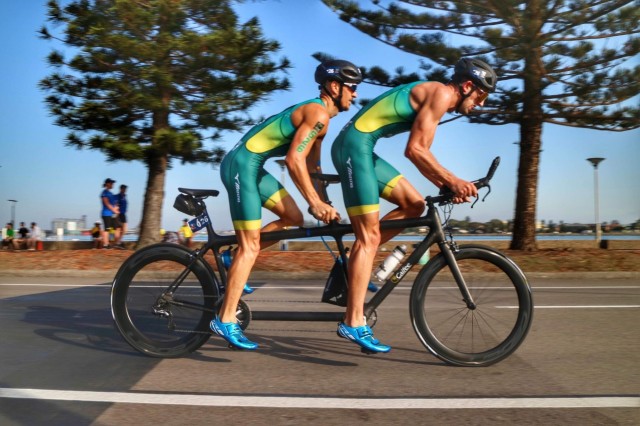
JonoG4

 Photo credited to Samantha Barnfield

 Photos credited to Simon Sturzaker Photography


Follow Jono’s paralympic journey on social media at:
Do you have an ‘Eye Inspire’ story of #Emerging Proud through Eye Sight Loss to inspire others to go for their dreams that you’d like to share?

Please GET IN TOUCH HERE

Or contact: yvette@syncinspire.org

Posted in Uncategorized | 1 Comment

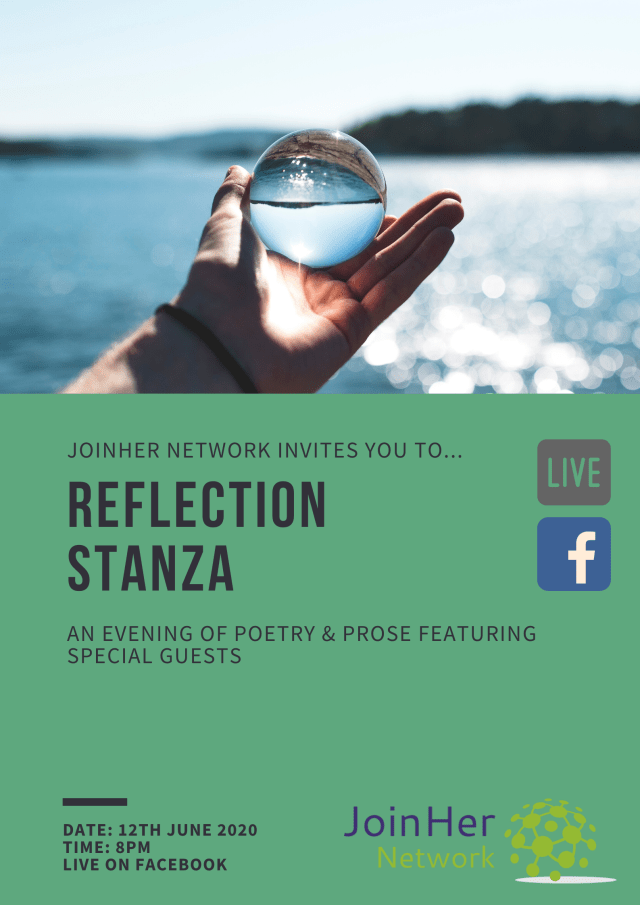
Reflection Stanza, evening of poetry and prose; Friday 12th June, hosted by JOINHER

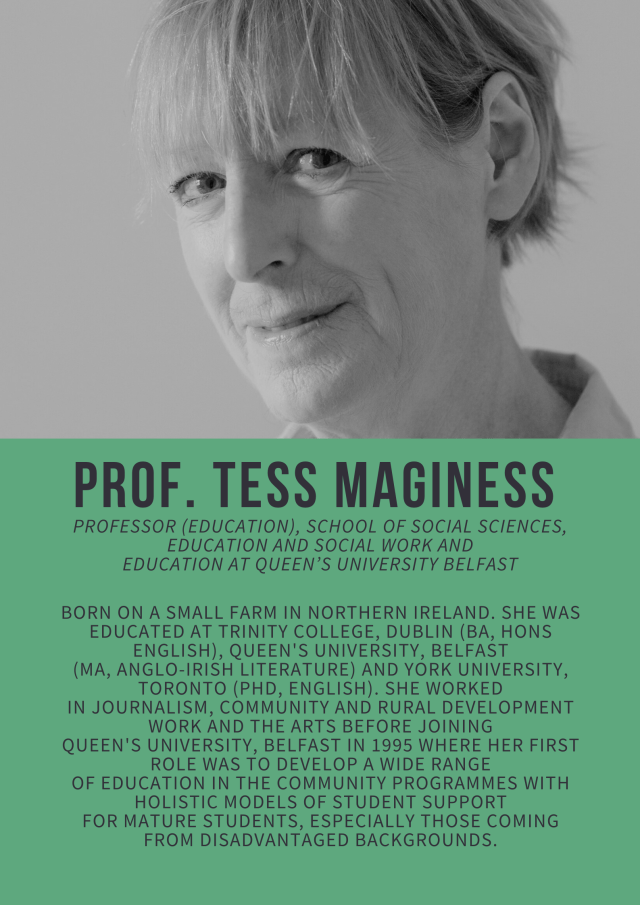
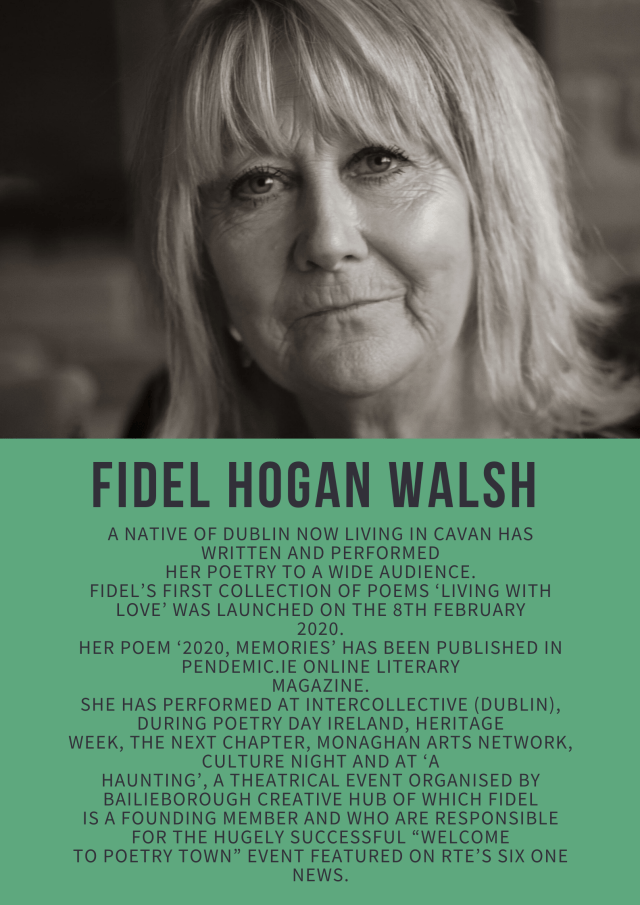
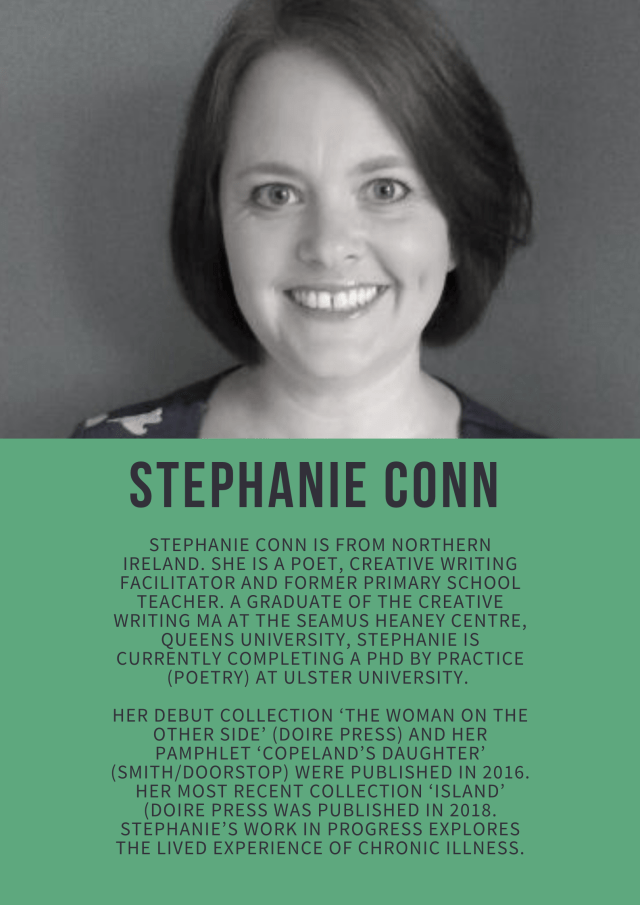
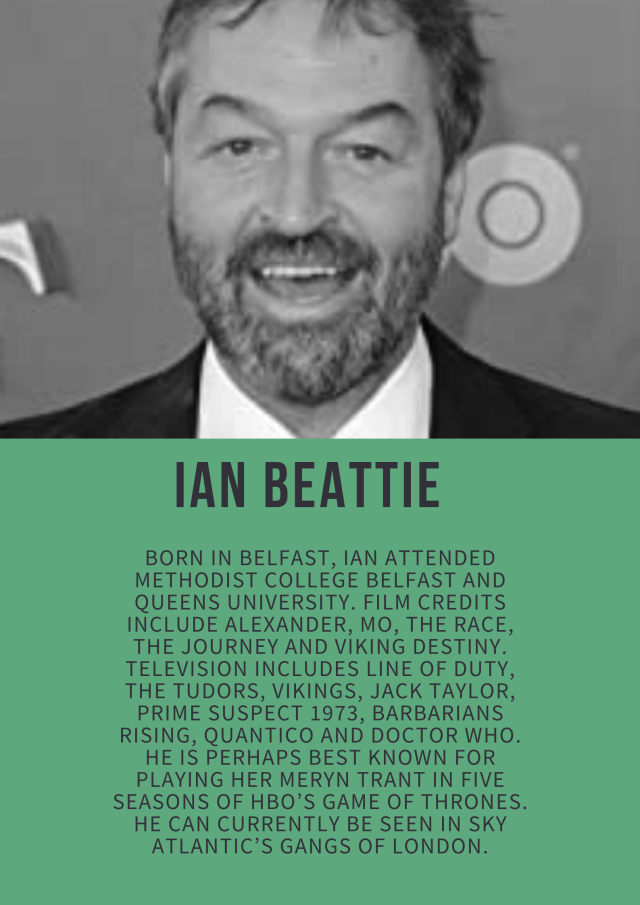
JOINHER network are excited to offer a monthly bridging event for the Caravan of Unity . this Friday, 12th June at 8pm BST they will host an evening of poetry and prose where 4 special guests will share their experiences of pre, during and Post lockdown LIVE…

1

JOIN ON FACEBOOK LIVE HERE 

Featuring;

JOIN ON FACEBOOK LIVE HERE 

Follow the #CaravanofUnity HERE 

Posted in Uncategorized | Tagged , , | Leave a comment

A Day in the life of Julian of Norwich; fortnightly story series

One of our regular offerings for the Caravan of Unity bridging events is this story series based on the theme of ‘Awakening’;

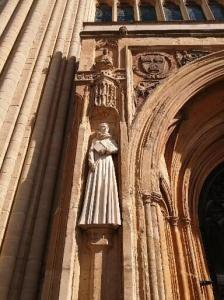
A Day in the life of Julian of Norwich; fortnightly story series hosted by ISISIALLTHINGS

Julian of Norwich was a 14th Century mystic and visionary who understood the power of mindfulness and contemplation on our higher nature and sense of gratitude for life itself.  She became fully awakened when she had an NDE (near death experience) at 30 and was shown the totally unconditional love of the Source of all that is. The 16 visions she received sustained her spiritual inner world for over 40 years in self- isolation through many plagues, during which time she was inspired to write a book, “Divine Revelations of Love”.

Part 3 “God Works in Mysterious Ways”

What was an Anchorite and why was she not beholden to the Catholic priests?  Find out how she was regarded as a mystic with a direct connection to God after her religious visions of Christ’s Passion and how she came to be in a position of religious emancipation as a woman. She used this advantage and her education to secretly write a book about these shewings, “Divine Revelations of Love” which she kept hidden and handed over to the Benedictine nuns for safekeeping at her death as she explains in this story today.


Follow the blog to keep updated on this story series, Part 4 will be shared on 23rd June.


Posted in Uncategorized | Tagged , , , | Leave a comment

Nicole removed the limits imposed on her by others, and now she’s limitless in her dreams

Do you have an ‘Eye Inspire’ story of #Emerging Proud through Eye Sight Loss to inspire others to go for their dreams you’d like to share?

Please GET IN TOUCH HERE

Or contact: yvette@syncinspire.org

It’s easy to allow the fears of others to tarnish our reality, especially when filled with negative and limiting concepts as a child. But as Nicole discovered, learning to believe in ourselves can set us free, and when we are free to believe anything is possible, it is!

Here Nicole from Detroit tells her journey from restriction to inspiration…

Nicola

Grab your favorite snack, a box of tissues, and make yourself comfortable, because you’re about to go on an adventure! The adventure of the life of Nicole Kada. Are you ready? Here it goes in 3, 2, 1!

My name is Nicole and I am currently 24 years old. I am a young lady from Detroit Michigan in the United States. I have 3 siblings all younger than me, I’m Middle Eastern, have a bachelors degree, am a YouTuber, love to travel, and best of all, I am legally blind!

I was born with Lebers Congenital Amaurosis, or LCA for short. This is an eye disorder that affects the retina, which is the part of the eye that allows for sight. It’s typically a degenerative disorder, so I had a great deal of eyesight as a kid, but it has worsened as I’ve gotten older. Now, I am only able to see light, dark, shapes, shadows, and outlines.

My parents are Iraqi, along with the majority of the rest of my family members. However, I was born in America. The Middle Eastern background played a significant role in shaping me to be the person that I am today. It has caused me the most pain and brought me the greatest successes simultaneously.

My family raised me Catholic. My grandparents on my dads side along with some of my dads sisters and nieces lived with us for many years of my early childhood. Because of being Catholic and living with many foreigners, I faced many challenges. In the Middle Eastern culture, those with disabilities are looked down on and treated like they’re incapable of taking care of themselves and won’t amount to anything. Sometimes, I felt like I was treated as if I were helpless. Because my grandma was so religious and had an old mindset from back home, I felt less human because of her friend group and the elderly family members that would come over. I constantly had to hear how they were sorry for me, but that I’m such a bright kid. I had to hear how they hoped for a cure for me. I had to hear things like how would I get married and have children of my own in the future? Because of all the pity and making me feel helpless, I accepted the pity and let myself be that “poor blind helpless person”.

In school, I struggled to make and keep friends. I was placed in a classroom for the blind for the majority of elementary school, until the program got shut down and then I was placed in regular classes in my hometown. From kindergarten to my senior year of high school, I attended 7 schools. Every time I would make a friend, I would leave that school. Also, I struggled to make friends, because my parents told me to keep my friends at school. The only time I had friends over was if they were also middle eastern. Not only that, but they kept me from attending certain field trips and going camping out of fear that something terrible would happen to me. I completely understand the fear now, but as a kid, that destroyed me. My peers were having sleep-overs and doing cool things together, while I was spending my time outside of school alone, unless I was with siblings, or another Middle Eastern person.

At school, I was bullied. At home, I thought about how I would never be anything in the future. Nobody would want to be with me. By 8th grade, I was miserable no matter where I was at. I had so many journal entries written about hating my life and how I’d be better off dead. These entries continued until I was 17, which is the time when I broke out of my depression and started finding my happiness.

I finally went to a summer camp for the blind and met others like myself. I was away from my parents long enough to realize that I didn’t need them to do everything for me in order for me to survive. I was away long enough to know that blind people are capable of being independent. For so long, I craved independence and now I had it. I had it and I never let go of it after I had a hold of it!

The next year, I started college. I attended 3 different colleges. This was for two reasons. The first being the lack of services provided at the first two colleges and the second reason being that I majored in things that I didn’t have a passion for, because I allowed others to discourage me from following my dreams. Eventually, I stopped listening to others and I became a science major. Science was my passion and I didn’t care how visual it was, I was going to do it and I did! I received my bachelors in Nutrition and Food Science. I took and aced visual classes like math, biology, and even organic chemistry. I met with tutors/scribes, went to professors office hours, and required extra time on exams/assignments, but all that matters is that I did it! I got my bachelors and now I’m going to continue my education to become a Registered Dietitian, something that will be difficult as a blind person, but I will make it happen.

I’ve only been happy for about 7 years now, but one of the most valuable lessons I’ve learned is loving and accepting myself. After that camp in 2013, I have found my happiness. Instead of looking for pity, I make blind jokes constantly. Instead of letting others tell me what I can or can’t do, I show them what I will do. Even if it takes me a longer time to accomplish something compared to my sighted peers, if it means making my dreams come true, I will do it. However, it takes loving yourself to reach that positive and determined mindset. Because when you love yourself, no level of negativity will discourage you. When you love yourself, your confidence speaks so loudly that you attract the things you want, sometimes even without having to seek them. For example, one of my goals is to inspire others and without looking for an opportunity to inspire, I was presented with the opportunity to write this.

When you are confident, you attract the things you want and the negative things quietly start disappearing. You begin to surround yourself with like-minded people, experience life-changing events, and do things you never thought you could. For example, I started doing some traveling and also became a YouTuber, both things I was afraid to do, but because of my level of confidence, I have been able to step out of my comfort zone and do anything I put my mind to. To the outside, my blindness is a disability, but to me, it is my ability. I know many sighted people who place limits on themselves, and to me, that is a disability. Remove limits, and you are automatically able!

Follow Nicole’s flourishing career on social media at;

YouTube: https://www.youtube.com/channel/UC8OgXViEL7VwoY_wnz-2wbA  

Twitter: blind_boss

Instagram: blinding_beauty14

Facebook: Blind Boss Entertainment

Paperback-book-Stack-Series

Do you have an ‘Eye Inspire’ story of #Emerging Proud through Eye Sight Loss to inspire others to go for their dreams you’d like to share?

Please GET IN TOUCH HERE

Or contact: yvette@syncinspire.org

Posted in Uncategorized | Tagged , , | Leave a comment

3rd Meditations of Light offering to bridge #EmergingProud and the Caravan of Unity

This offering is a fortnightly meditation to celebrate #EmergingProud bridging with Co-Creating Europe’s #CaravanofUnity  

To follow the progress of the Caravan of Unity for World Peace day follow Co-Creating Europe on Facebook; https://www.facebook.com/CoCreatingEurope/

Meditations of Light Series 

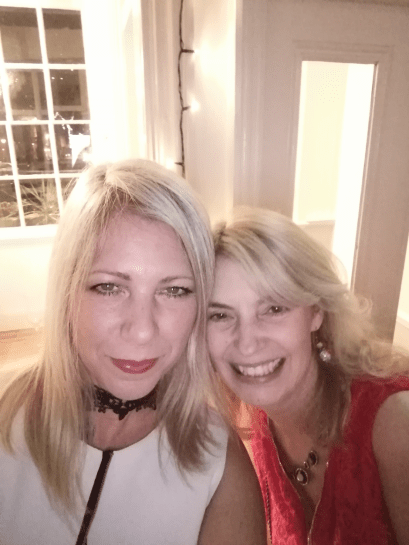
Hosted by Denise (ISISI ALL THINGS) and Sandy Veneziani.

Denise+Sandy

The 3rd offering in this meditation series

“Changing Your Perception”

This meditation is especially designed to look at changing your perception during this time of the COVID19 pandemic.  It will help you to look at how you are viewing the challenges, see where you are being rigid or have black and white thinking, gently changing the way you perceive things to the positive, during the lock-down with others.


Sign up to Denise and Sandy’s channel Peaceful Minds, HERE 

Peaceful minds logo

Posted in Uncategorized | Leave a comment

Tomorrow! Manish set to perform a live Voice Bath and healing mantra session for the Caravan of Unity bridging events

We are delighted that, as part of the #EmergingProud bridge to the #CaravanofUnity 

Multi-instrumentalist Manish from Barcelona will perform an

Online Voice Bath with Healing Mantras 

FRIDAY 5th JUNE at 7pm UK, 8pm CET 

Via Facebook live HERE

photo Manish suiza

About Manish

Born and raised in Hindu Family in Kathmandu, Nepal, composer and multi-instrumentalist Manish first got caressed by musical sound in his childhood. It was then, when he first discovered that he had a voice to sing as a gift given by the nature and was attracted by the sound of guitar (which he still plays) at the age of twelve. Taking private lessons in music theory, he soon began playing and singing with friends in School and home town.

As a keen explorer of music and of various cultures, to develop his musical horizon, he joined and graduated in Ethnomusicology which included the study of world music and music of ethnic groups around the globe. In this course period, he got introduced to Nepali and Hindustani Classical music and specialized in Sarod (principal instrument of Nepali and Hindustani classical music) and vocal under the guidance of his teacher Suresh Raj Bajracharya and Prabhu Raj Dhakal (Famous musicians of Nepal).

In 2002 learned Stato Dynamic Yoga and meditation in Hansada Yoga Ashram with the disciples of Swami Satchitananda Vishuddha Dev and continues to practice Stato Dynamic Yoga.

He now dedicates in making “World Fusion Music” a combination of World music, diverse cultural sounds and also dedicates in singing Hindu Mantras. Beside this, he also makes ambient music which creates the ambience of Harmony.

Sarod, definitely has a deep relaxing healing sound. It is said that the origin of this instrument was from between Persia and Afganistan, for the researchers found a similar looking instrument, much more older than Sarod named as Robab/ Rebab. Only difference these both have is that the Robab has movable frets on it and uses Nylon or gut strings.

His concert is a sacred and mystical journey (Moment) evoked by the Ragas, World music, Mantras, Voice, Healing sounds. Manish describes “Ragas” as “profound subliminal feelings evoked by the selected musical notes, which enraptures us and lets us experience ambience of peace. It is like as if we are inside a room whose walls are made by musical sound and painted by musical colours. We live the ambience inside, we sense the sentiments provoked by the musical notes and we are aware that something deeper, beyond words, is happening.

As explained by the attendees, His concert is a tender encounter interwoven by musical sounds where the listener experiences a glimpse of timelessness and peace, offering gratitude to Nature and magnificent magical experience called Life.

Manish has participated in various festivals and Fairs like Festival Gong (Spain), Homenaje a la tierra (Spain), Festival de Yoga (Spain), Sun Sun Love (Spain), Angsbacka yoga festival (Sweden), Yoga Mela (sweden), Mind Body and Spirit (Cyprus), Conscious Concert (Ireland), Let there be Om Festival (Switzerland) and continues playing and singing to spread the sound of peace worldwide.

Follow Manish via FACEBOOKwhere he performs live events

His website;   www.manish.es

Posted in Uncategorized | Leave a comment

Crissy from Arizona shares an inspiring update on her progress and new peer listening service venture

You might remember Crissy from the Emerging Proud documentary. She stated that she felt; spiritually raped of being in touch with her soul through the sedation process at the ER. Here’s a reminder of her story, and an inspiring update, only 3 years on… 

20200512_071732

Crissy was raised in a Christian household, though not a strict one. She was faithful to Christ on her own. She lost her faith when her mother passed away. She began believing in more scientific terms, like in the Law of Attraction, after seeing The Secret. In her 30’s, she began a significant effort to improve herself. For weeks, she had been doing strenuous HIIT (high intensity interval training) workouts. At that time she was reading the book The Harbinger until the wee hours of the morning. On April 30th, 2013, she woke up, after only 3 hours of sleep, with the most amazing energy, and said to her husband, “Honey? I think I’m coming to a new level of awareness!”

To which her husband responded, “Okay! Great!” He kissed her on the cheek and went to work. Crissy’s physical senses became much more focused and sensitive. She could smell the eggs her son was making so intensely. Thoughts were becoming SO clear. She understood the metaphorical language very well. Social issues were very important to her. She suddenly felt an overwhelming connection to the universe; she was the universe, and the universe was her. Heat was radiating from her body. She could feel the energy of the people around her and her intuition was heightened. She felt telepathic. She was also overwhelmed with Love. Upon speaking in so much metaphorical language, her loved ones got concerned and her husband sought help. He meant well, and they didn’t know better at the time, so he took her to the ER. The nurse assumed the experience she was going through was wholly rooted in psychology and did not bother to check whether her symptoms could have originated from a physical ailment. She was sedated and shoved in a bed until an opening at inpatient was available. No blood work. No MRI. She was in that hospital bed, practically catatonic for three days before she came into awareness again. After seeing the patient chart on the wall that said “keep her safe,” (she didn’t feel safe there) she said, “Oh, I dreamt this months ago.” The nurse rolled her eyes. Crissy had been having deja vu dreams since 2008. Upon seeing Crissy in the ER, the psychiatrist immediately diagnosed her with bipolar disorder, and Crissy lost herself in shame, from what she knew would be the stigma, for two years. 

On the two year anniversary, her husband asked her to help him understand more with respect to what happened two years prior. She was so excited to tell her story. Upon hearing her story her husband said, “Hmm. I wonder if, in the future, they’ll find out that bipolar disorder is the mind’s way of coming into a new stage of enlightenment?” This resonated with Crissy on a deep, deep level. She googled, “bipolar enlightenment,” the very next morning and found many new ways of rethinking the concept of bipolar disorder being the explanation for her experiences. She found the work of Sean Blackwell and Stanislav Grof. This gave her a new sense of hope, but also caused another crisis, only this time, seeing how the practitioners reacted to her in the ER gave her the calling to become a Healer in the mental health field. As she was, once again, sedated and put in a bed, she was distracted from calming down by all the ER noises; the machines, the nurses, the other patients. As she lay there, she saw another patient with psychological issues, and watched how the nurses were treating him. 

For hours, Crissy lay there, not being able to sleep, again, not because of a racing mind as she was actually pretty calm at that point, but by the overwhelming sounds of the ER. She was concerned by the lack of care by the nurses, and by the fear she could smell on them when caring for mental health patients, like her. At one point, Crissy panicked, jumped off the bed, pulled out the IV and ran towards the bathroom. The nurse let her in to “go,” cleaned the blood off of her wrist, put the IV back in, and put her back in the bed. The nurse was cold and insensitive and didn’t so much as look in her direction. (Those in crisis need a sensitive connection, a community.) She realized that an ER needs a 24/7 mental health liaison that advocates for the patients’ needs. That realization made her aware that the system needed changing. 

For a while after, Crissy was on the mend. She even started taking a local art therapy class. She loved the counselor and the art teacher very much, but the psychotropic drugs she was on numbed her imagination. It was at this time that Crissy was becoming sensitive to collective energies and the emotional fields of some of her colleagues in the art therapy class were becoming too overwhelming to handle. So, she decided to work on herself, and her new spiritual abilities, a while.

Crissy had a set back and hesitantly went back on medication. For several seasons, she was experiencing chronic psychosis although she wasn’t having depressive or manic phases, just occasional episodes.

Crissy was having a hard time finding meaning in her journey. During her episodes, she would come in and out of consciousness, having blackouts. A loss of memory but still functioning and having conversations with voices in her head, although completely unaware of this until her family would tell her after. 

During this time, her ability to sense the energies around her was getting stronger and stronger, and she had to start transmuting her energy field. It was also during the same time that she took a class to get certified as a Peer Support Specialist, on her road to work in the field.

She finally decided to discover if there was a physical reason for the chronic psychosis. She sought a primary care physician and got to work. The physician sent her for labs and imaging. They both came back with results. She has hypothyroidism and a small, benign tumor in the pituitary gland of her brain. She began to wonder why the ER hadn’t sent her for labs and imaging in the first place. Crissy then had to wait to see specialists because family issues came up and then the coronavirus outbreak hit. When quarantine got put into place, Crissy heard her intuition say that many are going to go into mental crisis because of this lockdown. That’s when Crissy felt the need to take action.

At that time, a friend she had made in Shades of Awakening, Daniel, had posted in the group forum, looking for a spiritually based service that offered 1:1 chat to help his friend and Crissy, as well as others, responded to the post with information regarding generic peer support services. Upon realizing that such a spiritually focused peer support did not exist the two of them founded Asklepios with the mission to provide those in need with a ‘warm line’ staffed by individuals with lived experience in matters related to mental health as seen from a spiritual lens. The spiritually focused peer support staff serves to listen to those who are experiencing mental, emotional, and/or spiritual distress in an accepting and empathetic manner free of judgement. Crissy was looking forward to giving help to others that she did not get via the psychiatric system. One of her goals is to avert unnecessary mental health crises for others. 

Crissy is on the road to repairing her physical health, in the hopes to mend her mental health. All the while, exploring her spiritual well being.

This endeavor has given Crissy a new found sense of purpose. She has begun the process of going back to school to study psychology. She is even writing her memoirs, although she feels like her journey isn’t quite over, only another chapter is beginning.

If you resonate with Crissy’s experience, and you feel moved to reach other and talk to her, you can request her in the chat service at https://www.asklepioshealth.org/.

Introducing the New Service Asklepios Health; A Chat Service for those in Crisis

Los Angeles, CA: Asklepios Health today announced its grand opening of a new service. Asklepios Health is a free service that offers a new way for people, who may be struggling with any mental, emotional and/or spiritual distress, to have someone who will just listen.  

“We are a group of empathetic peer listeners, with lived experience, who are here to support those going through difficult times, whether that be mental, emotional, or spiritual/transpersonal,” says Daniel Steinberger, President at Asklepios Health. 

“I just want to guide others toward the help I didn’t get when I went through my Spiritual Emergence,” says Cristina Mohr, Chief Operations Officer at Asklepios Health.

Features and benefits of Asklepios Health include.

  • We are peer-led listeners with lived experience.
  • We give you the choice of messaging, voice, and video chat, although we prefer video chat as it is a more personal, connected experience.
  • We cater to those going through psycho-spiritual crisis.

Asklepios Health is a readily available service for donations only, because we understand the need. For more information on Asklepios Health, visit asklepioshealth.org  

We’ve only been in service for a few short months, but are already receiving repeat clients. We are here to listen to you. Daniel and Crissy. 

Posted in Uncategorized | 1 Comment

Don’t forget to join Jordana’s free live online Yoga sessions for the #caravanofunity

Jordana will be hosting monthly live online Akasha Yoga sessions for #EmergingProud bridge to the #CaravanofUnity

thumbnail_Akasha Yoga

When; 

Saturday 20th June at 5pm UK, 6pm CET

Saturday 25th July at 5pm UK, 6pm CET

Saturday 22nd August at 5pm UK, 6pm CET

Where; 

All via the zoom room; https://zoom.us/j/93365220733

What is Akasha Yoga? 

Akasha is in the throat chakra, which holds space for the elements of earth, water, fire, and air, uniting them in their diversity into the one space of ether. Yoga is Union. In Akasha Yoga we unite the feminine with the masculine energies, accepting and loving unconditionally our shadow by shedding the light of our soul on it. When we can embrace both our darkness and our light we become whole human beings, transcending the war of duality and uniting in peace and Oneness from within and throughout.

Each class is a fusion of Hatha and Kundalini Yoga, mantra, pranayama breathing exercises, spiritual philosophy, meditation, and relaxation. There is an emphasis on the bandhas, the locks that tone our core strength and raise our healing energy, as well as the chakras, our energetic anatomy that keep us balanced in nature with the five elements of ether, air, fire, water, and earth. Akasha Yoga helps to relieve dis-ease, pain, tension, stress, anxiety, depression and more. Classes focus on balance, strength, flexibility, and openness, while honouring each student’s potential as well as their limitations. Intention and effort are valued over level in our classes, making them available to anyone who wants to practice.

What you will need; 

Please make sure you have a warm, peaceful space with a good internet connection, a yoga mat, a blanket and cushion, some water and only practice as far as your body will allow. This session is about being loving and kind with yourself, no pushing beyond your limits. This class is open to all abilities so please do join, feel free to have your camera off if you prefer.

We look forward to seeing you on our mats in virtual space, Jordana and Katie ❤

Posted in Uncategorized | Tagged , , , , , | Leave a comment

Lachi is more than KindaProud of sharing her story to inspire you to believe in your dreams

Do you have an ‘Eye Inspire’ story of #Emerging Proud through Eye Sight Loss to inspire others to go for their dreams you’d like to share?

Please GET IN TOUCH HERE

Or contact: yvette@syncinspire.org

Lachi hasn’t allowed the stigma imposed on her at a young age to prevent her from persuing and achieving her dream of becoming a successful musician and author, and she takes pride in encouraging YOU to do the same…

lachimusic-1575599201783 copy

At eight, I dreamed of being a musician with a fancy management team and my own recording studio, being a published author with my own agent, and traveling the world for my art. But it was also at eight that I realized few of my favorite singers or writers were female, fewer were black, and absolutely none were blind. When I turned on the television and saw all the perfect people, I thought to myself, “That could never be me.”

Early Days

I was born with a rare eye disease called coloboma, which left me legally blind. I could see up to about as far as my outstretched hand. This made it hard to read at pace with other kids. And the need for extra devices coupled with the frequent visits from social workers made it tough not to be different. Like many with disabilities, while my visual impairment made it difficult to see, my real trouble growing up was social. That is the overarching backdrop of my story.

Was I bulled? Yes, early and often. I have a lazy eye, much lazier back then. Or rather it was the opposite of lazy, as it actively did its own thing. Because of this, I was given the ugly kid treatment or the slow kid treatment, depending. Which was tough for a girl that had all the pretty girl traits, just no idea how to manifest them. Or a girl who had all the smarty-pants fixings, just no idea how to outwardly express them.

So I spent most of the early days in a corner with my keyboard, directing my chorus line of stuffed animals. I’d also steal stacks of loose paper from my mom’s home office printer, fold them in half to form a booklet, and would fill them up, pages and pages, with comics, short stories, drawings, poetry, and lyrics.

While my mother was encouraging of my big recording artist and published author dreams, both my parents preferred I err on the side of safety. It’s easier for a person with a disability to succeed on a straight and narrow path rather than forge their own, but those who move mountains and change the world very rarely play it safe.

Finding Purpose

I went to the best public college in my state, University of North Carolina, to study business, telling my dad and myself I was going to be an accountant. Wanting to mix music with being a college nerd, I joined the Glee Club, which was probably the worst possible thing for my accounting career. Being actively involved in music opened me up in a big way. I could express myself musically while being in a social setting. Sharing my talent with others, I felt things like pride and confidence, feelings I hadn’t felt before in social situations.

This propelled me to form my own acappella music group on campus. I had no idea how to start one on my own, so I posted ads in forums and hung flyers. Who knew over fifty people would audition. As my music ensemble grew in prominence, I began to put on my own solo side show. On Saturdays, I’d play my dormitory’s community piano for drunk coeds looking to continue hanging after a big party. These piano nights grew so popular that I began to book gigs around town.

Music now fueling my confidence, I mentioned to an advisor my dreams of pursuing music and writing in New York City. “So do it,” he said. Such simple yet most profound advice. And, so I did. Despite my parents’ and my own fears, it wasn’t long before I was studying music at New York University. I raised just enough money for the bus ticket and a few nights camping out at a YMCA, but it was certainly one of my best life gambles.

I could get anywhere I wanted through the convenient metro system for less than two dollars! Sure beat the limitations I faced with having to beg my parents to drive me everywhere, or waiting two hours for a bus, and another forty five minutes for a bus transfer in the hot sun or cold winter. Floating freely in a constant stream of musicians, writers, oddballs, rich yuppies, and folks with varying degrees of disability who didn’t think twice about them, all hustling towards greatness, was exactly what I needed.

After finishing up at NYU, I landed a job working for the United States Army Corps of Engineers as a program assistant. Sitting behind the desk clicking away, my body vibrated for that pride and that confidence I felt in sharing my creative talents. Times were tough at the Corps. I learned that being socially awkward due to a disability can cause cliquish behavior in workplace adults as well. And hammering around a self-advocacy bull horn of “accept me!” was tough for a girl who appeared to have all the fixings for a socially well-adjusted human.

One day, naturally, I got fed up with the lack of music and creativity in my life. I took a few days off work so a friend and I could play guitar/vocal sets at a few local bars down in Texas during SXSW, a large annual music festival in the region. Before going, I wrote a cold-email to about ten record label agents asking them if they’d be at the festival and to come to my one of my performances. No one responded. We went anyway. An agent showed up, and not long after, I signed a recording contract.

Now-a-Days

Ten years later, I now am an award-nominated recording artist recognized by the Grammys. I have a fancy management team and my own studio, am a published author with an agent, and I travel the world for my art. I’ve released music with Sony, Universal, and Warner Music, have had music debut on international dance charts with streams in the millions, have heard my songs played on the radio, and seen my music featured in TV and film. I’ve had the opportunity to work with some of the biggest names in the industry, from opening for Patti Labelle, to collaborating on a song with Snoop Dogg, to support from DJ’s like Armin van Buuren and Markus Schulz.

It took hard work and ingenuity, as I have to run ten times as long to get to the same destination as my sighted peers. But in working hard, thinking outside the box, stark determination, these things are like air to those who aren’t born with the luxury of monotony.

I’m most proud that I’ve been able to use my platform to help raise the visibility of persons with disabilities in mainstream media, as well as educate those who would otherwise have no idea the social stigmas the disability community deals with every day. I spread this message so that when an eight year old girl, who feels outcast because of her sight impairments or any other disability, when she turns on the television she can see herself prominently represented and think, “I can definitely be me someday!”

Follow Lachi’s success at;

Twitter: lachimusic

Facebook: LachiMusic

Do you have an ‘Eye Inspire’ story of #Emerging Proud through Eye Sight Loss to inspire others to go for their dreams you’d like to share?

Please GET IN TOUCH HERE

Or contact: yvette@syncinspire.org

Posted in Uncategorized | Tagged , , , , , , , | Leave a comment