Most people will know Paris from his 2012 renowned book ‘Rethinking Madness’, in which he called for the need for a paradigm shift in how ‘mental illness’ is perceived. My first interview with Paris was in 2017, where he spoke about how trauma acts as a catalyst for awakening to the non-dual interconnectedness of life, and how the bio-medical paradigm prevents a healing trajectory (see the link below to the original post).
It is now 12 years since Paris published Rethinking Madness, and we are still calling for the same changes. But has any progress been made? I will be talking with Paris again very soon to hear his thoughts about the current state of the system, his meta perspective on what it all means, an update on what he’s up to now, and his dreams for the future.
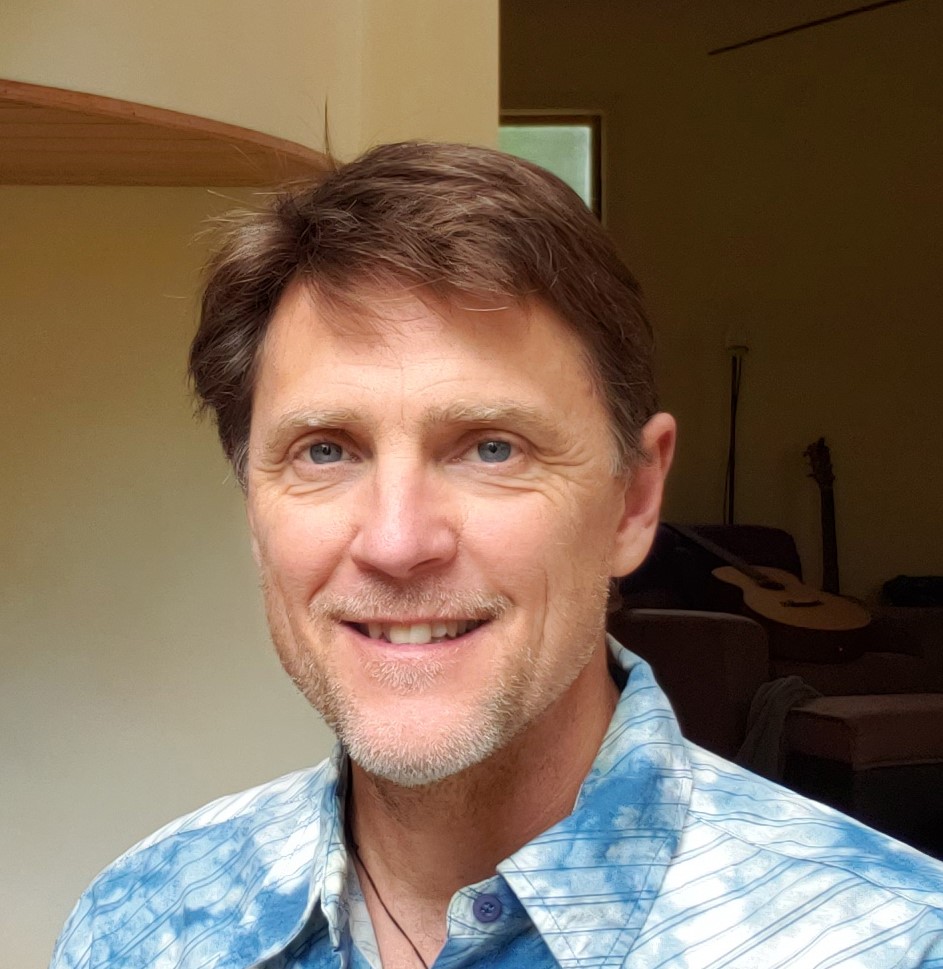
Here’s a little reminder of Paris’s story:
Dr Paris Williams has traversed a very winding road in his life—going from the lows of a broken childhood to the highs of becoming an international hang gliding champion in his younger years (winning a World Champion title and numerous National Champion titles). But then in his late 20s, the wounds from his past, along with the deep wounds within human society and of the Earth that were all too apparent from his vantage point in the sky, converged to send him spinning into the vortex of a profound spiritual/existential crisis.
As he navigated through this crisis, he found solace and strength in the natural world as well as in a number of the world’s wisdom traditions, and found himself drawn into the path of “Wounded Healer.” He has since gone on to conduct research on psychosis and radical personal transformation, published the widely acclaimed book, Rethinking Madness, and received his PhD and license as a clinical psychologist, specializing in humanistic, existential, transpersonal, somatic and ecological approaches.He has worked in numerous settings supporting people struggling with challenging and extreme experiences – these include meditation centers, a residential facility, a medical hospital, a community mental health clinic, a substance dependency program, multi-disciplinary teams, and in numerous private practice settings.
Paris is currently residing in the U.S., working as an integrative psychology practitioner in private practice, providing support to individuals and families, providing supervision to other health professionals, and running various psychotherapy trainings and workshops. You can find more about his work at rethinkingmadness.comand pariswilliamsphd.com
To recap on our first conversation, here’s the original interview:
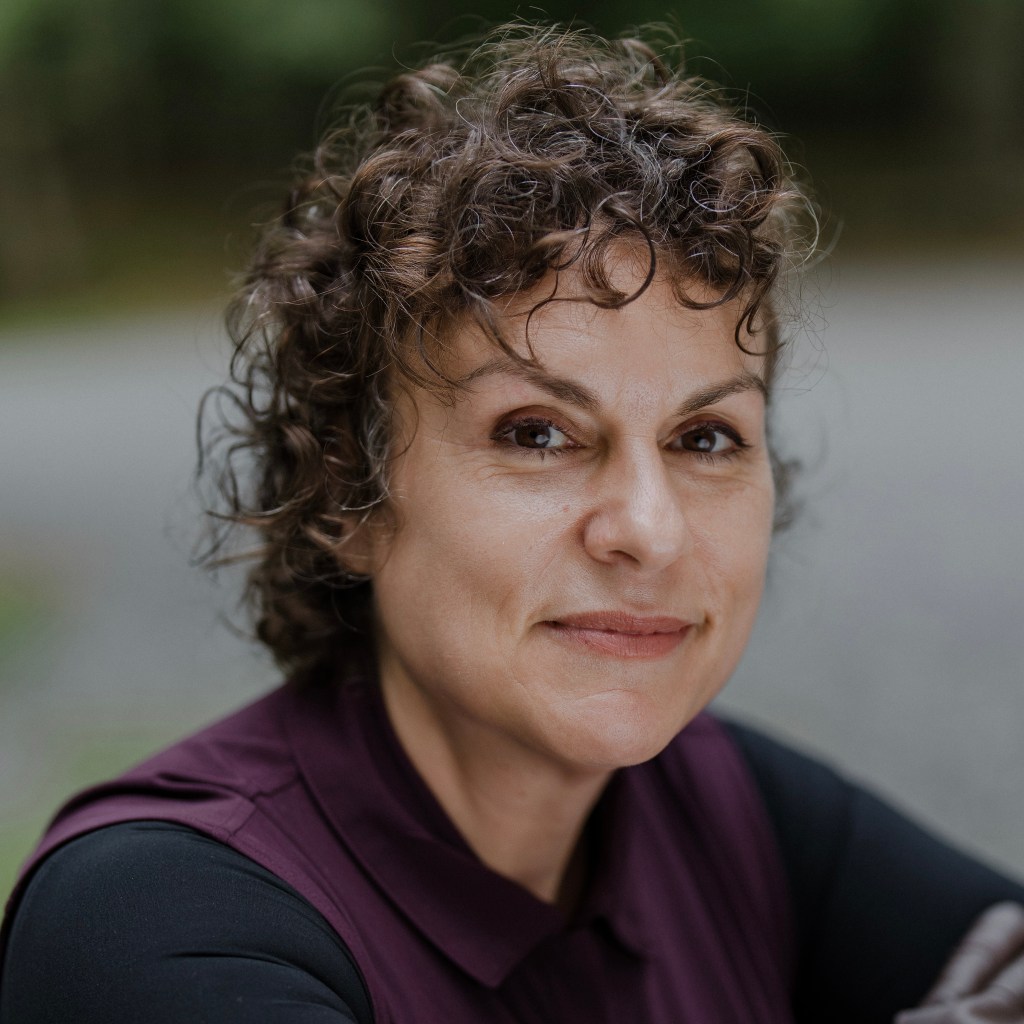
Leah has been active in the consumer/survivor/ex-patient movement for almost 25 years, advocating for raised awareness around the psychiatrisation of human experience.
You may remember Leah from the original Emerging Proud film, where she shared her incredible story of liberation. You can read Leah’s full story HERE.
Leah Harris (they/she) is a mad liberationist and abolitionist based in the settler colonial US. She was born to two parents diagnosed with serious mental health conditions, and her family experienced the harm caused by the interconnected prison, psychiatric, and child welfare systems. She joined the psychiatric survivor/ex patient movement around 25 years ago and has been active in fighting force and coercion. Leah is also a writer and journalist whose work appears in Mad in America, Truthout, The Progressive Magazine, and the anthologies We’ve Been Too Patient and the forthcoming Mad Studies Reader. She’s currently at work on a memoir entitled Noncompliant which traces her family’s story alongside the story of deinstitutionalization in America and a call for psychiatric abolition. Leah is also the founder of Menopause Solidarity, a new organization providing gender-inclusive peer support and mental health education to support the menopausal transition.
You may remember our proud Emergee Leah from the Emerging Proud film – Leah certainly made an impact on me with her incredible story. Here’s a little snippet of a reminder from 2017:
I recently reconnected with Leah, and discovered that she is birthing some incredible new projects as a result of further developments in her transformation journey.
I’ll be sharing our conversation over the coming days, but until then, here’s a reminder of Leah’s back-story, and what led her to be such a leading- light in the world of the psychiatric Survivor, turned Abolitionist/ Liberationist, movement:
*Deep breath*…here we go. I’m sharing this before my logical mind tells me it’s a really bad idea…
12th May 2025 will see Emerging Proud, re-emerge, with our first live gathering since 2020!
We will ‘re-union’, find out where we all are now, including some of the international EP chapters, the projects that were seeded at the launch in 2017, and re-visit what resources are most needed for people undergoing a transformational crisis. Who’s up for the crack?
Image courtesy of Liisa Ekossari
Many of you in this community will be aware that Emerging Proud has been quite ‘dormant’ since 2020, and it’s time to be more open about why that is.
The pandemic unfortunately had a devastating impact on the charity which had seed-funded some of our projects, and that, coupled with the fact that the majority of work had been done voluntarily, led me to burn out, and everything ground to a halt. My apologies to all of you if that was disappointing. In all honesty, looking back I think I was completely overwhelmed. I had no idea what I was doing – I started a social movement with no experience and (naively) no idea where it was going to lead. As it grew and grew, and the ball gathered momentum, I felt totally out of my depth. I remember a moment when I was chatting to an anti-psychiatry ally after a conference in London, and they told me they’d just got back from an event in Israel where people were talking about Emerging Proud… it was terrifying to think I’d unleashed something that felt completely out of my control. Now that I know nothing in life is in my control, it doesn’t feel quite so daunting!
Our last in-person event was held in Jan 2020 with Power Threat Meaning Framework (PTMF) authors Dr Lucy Johnstone and Prof Mary Boyle, the outcome of which led to an addendum being created for the PTMF about spiritual emergency (Click here to access the report from the event). The outcomes from the event are still very much needed, and exciting developments are happening regarding some of them – more on that in due course.
As we all know, there’s always a silver-lining after challenging times. The last 4 years have gifted me time and space to do more self-development work, get more grounded, and gather some empirical evidence on which to base the rationale for what Emerging Proud was already doing. And so here we are, re-emerging from another chrysalis…
This time around I want to ensure that the momentum of the movement is as sustainable and accessible as possible. One way to keep the ball rolling is setting up an online membership site to replace this website, which would enable the following:
More interaction opportunities for the EP community
An evolving vault of resources that support the emergence journey
The possibility to offer webinars / live online sharing spaces
An annual event which is free to access, making it accessible for the most marginalised
All of the Emerging Proud offerings to date have been created collaboratively with the EP community – this couldn’t happen without all of you – so if anyone has any better ideas about how we could best move forwards, please do feel free to let me know!
For now, I’m leaving you with a song that makes me think of all of you in the EP community – until we can do it again in person in 2025, feel free to have a boogie! Much love, Katie ❤
Do you remember our David? He originally shared his story of transformation in our ‘Emerging Proud through Suicide’ pocket book. David will be joining us in conversation soon to let us know where his journey has led him today. Here’s a reminder of his incredible back-story in the meantime:
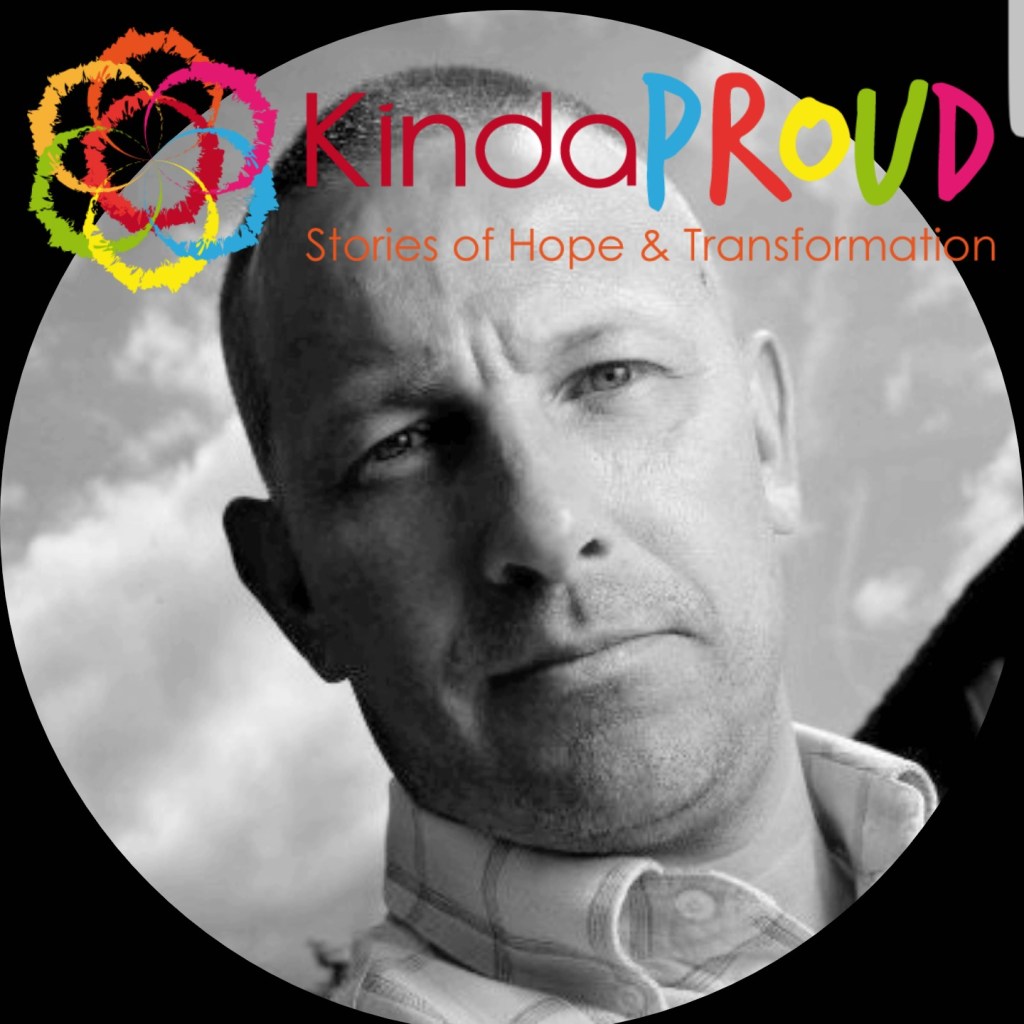
David did time in Strangeways. He’s one of the most sensitive, open- hearted men I know.
Struggling with a childhood of abuse and neglect, David found distraction from his pain through thrill seeking behaviour, which led to life in gangs, drugs and crime. Following multiple suicide attempts and arrests, David continued along the same path until he was 35, choosing to live on the streets because that felt easier than going home and facing his family.
In the year 2000, David was placed on remand in Strangeways prison. He was overcome by waves of despair; he tore up his bedsheets, tied them around the bars of his cell and his neck, and started to drift off into the comforting nothingness of black out. Suddenly he found himself in a heap on the floor. The sheet had snapped. He was thrown into confusion and then the deepest feelings of despair and hopelessness that he’d ever experienced. He felt like such a failure and cried and cried for what seemed like forever. This surrender to his emotions led to an overwhelming feeling of calm and peace; he was overcome by a strange and inexplicable sense that everything was going to be ok.
He brushed himself off and sat down at the steel table to roll a cigarette. He noticed the local paper, The Manchester evening news, in front of him on the table and started reading through it. There he came across a story by a woman who had opened a local day centre for recovering addicts and alcoholics. The woman was also in recovery from addiction. David wrote her a letter asking for help.
Four weeks later he was escorted to Crown Court for sentencing. For the first time ever, David was placed before a Judge who seemed to really pay attention to David’s history of trauma rather than just focusing on the problem. David attended rehab the next day for the first time in his long life of addiction and crime. Rather than being put into psychiatric treatment, David was given access to mentors, communities, and people who could guide him due to their own experience. David now feels that finding other men who were willing to be vulnerable and openly share their emotions was invaluable.
After completing nine months in treatment, David was offered the opportunity to volunteer with the service which helped him. Twelve months later, he was offered a full-time paid role as a support worker. Six months later he was offered the role of deputy manager. Twelve months after that he became the manager. Three years later David was promoted to head of service, responsible for managing 72 rehab beds across the county. David has since managed several projects and services. He was a CQC registered manager for one of the biggest health and social care providers in the country, and is now a personal therapist and coach for others struggling on a similar path that he experienced.
My mate Dave is an inspiration. Whatever you’re going through, there is always hope.
I’ll be interviewing David about his back-story, life now, and what supported his profound transformation, for our Emerging Proud rebirth very soon!
Isn’t it fascinating that, when we hear the back-story of the most inspiring change-makers, more often than not, they’ve faced adversity in their lives, many having hit rock-bottom at some point.
Could it be that, when we know there’s nothing to lose, that’s when we dare to shoot for the stars?
When Emerging Proud was launched in 2017, inviting people who perceived their crises to have catalysed a positive transformation process, to tell their stories, the response was overwhelming.
Seven years – a film, a publishing company, six books… and hundreds of emergent stories – later, it’s time to find out where some of our Proud Emergees are now, and what inspiring things they’re up to in the world.
I was motivated by my dear friend Stephanie Mitchell to re-start the Emerging Proud conversations, to showcase just where a history of adversity can end up – if we’re privileged enough to find the right support along the way, and determined enough to create positive change for others.
So, watch this space for more inspirational voices to come…
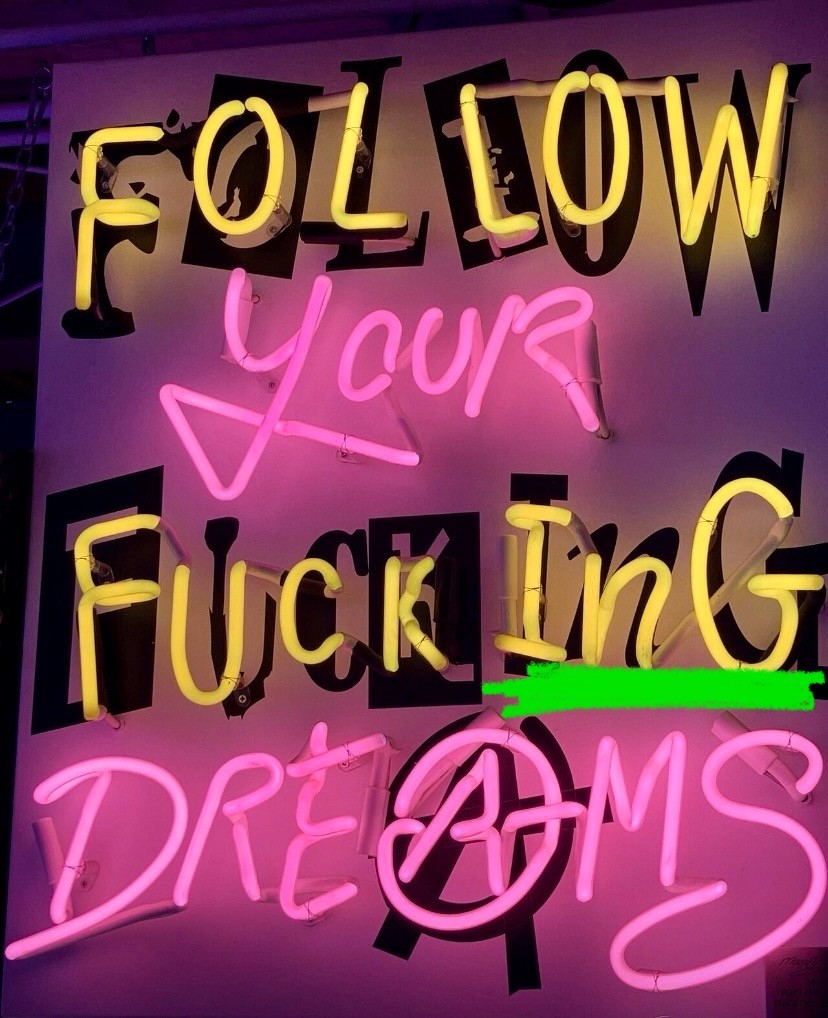
The world is amidst a meta-crisis: what better time than now to dare to live our ****ing dreams?!
There must be something about transmuting shame rising in the collective right now. When I took part in a constellation for healing at the Integral Europe conference in 2015, guilt and shame came up as the central energetic blocks for humanity’s evolution. Now I’m writing up the results from my current research into the transformative meaning in ‘madness’, and shame has come up as a central catalyst for extreme states due to the ‘internal split’ it creates. So why is shame so common, and does it have a purpose to support our evolutionary shift?
When my dear friend Martha asked if I’d share her latest blog with the Emerging Proud community, it didn’t surprise me that shame was the central theme – we often find ourselves tapping into the same stream of consciousness. Here she discusses, as eloquently as always, the links between shame, Self-trust, belonging and spiritual crisis. Enjoy.
How do I move through this shame? This is a question that comes up repeatedly in my peer support work with people who have experienced spiritual crisis or psychosis. But shame is a universal human experience, not limited to integrating unusual or extreme states of consciousness. This piece explores the evolutionary purpose of shame and how to activate self-trust as an antidote.
Shame has evolved alongside humanity; cooperation and working together in groups set us apart from other primate species, granting us evolutionary longevity and dominance. Working cooperatively and being part of a group was so key to survival that breaking too many social rules would likely mean exile and early death.
Therefore, when we feel shame, we experience an emotion that is deeply rooted in the human need for belonging, one which has evolved to deter (or protect us) from acting in ways that would socially devalue us and compromise our access to mutual aid through familial and tribal belonging.
Yet perhaps surprisingly, it is not the act of ‘doing wrong’ that is needed, or indeed enough to trigger shame. Research shows that being devalued, disliked, or oppressed by others can trigger shame even when individuals know they have done nothing wrong.
The elicitor of shame therefore is not objective wrongdoing, but rather the threat or actuality of social devaluation.
In fact, shame-based living can involve doing all the right things- as mentioned above, we don’t need to have done anything inappropriate or wrong to experience shame. But if we ask ourselves, ‘what is this do-good behaviour in service to?’ and the answer is- a fear of being bad (and the social consequences of that)- then we are still living through the binary lens of shame. A lens relies on external validation of our worth or lack thereof. Like many forms of binary thinking, shame-based thinking tends to see in black and white, good and bad, right and wrong. It lacks a tolerance for complexity, within oneself, and amongst others.
This is not to say that having a moral compass isn’t required. But the compass we need is within us, not in fear-based assumptions of what others will make of our decisions and choices. This is where I believe self trust comes in, as well as inner safety. When shame arises, there is a process of discernment needed, a sifting through of our own behaviour and that of others, to see with honest eyes and relative clarity, where action and change is required, and where that responsibility may lie with someone else.
Identifying where changes in behaviour need to be made is such circumstances is an example of adaptive guilt. A key difference between shame and guilt is that shame is hooked onto our identity, and says ‘I am bad’, whereas guilt focuses on behaviour and says ‘ I did something bad’. It becomes adaptive guilt when the inner compass of self-trust supports us in bearing the discomfort of seeing our behaviour and taking appropriate action, without becoming paralysed by shame.
Self-trust is directly linked to our instincts and the pool of deep intuitive knowing within each of us. When we are connected to it, we are motivated to behave in ways that are nourishing, meaningful and in integrity. And yet to make contact with this inner security and knowing, we need to feel safe enough to get quiet and still, to cease for a moment the relentless rush and listen to the quiet murmur of Soul.
This stillness can be a barrier to self trust in itself, especially for those dealing with unprocessed trauma. When there is a lack of internal safety, it may feel impossible to sit quietly with an experience as challenging as shame, in order to hear its message. Grounding and stabilisation work with a practitioner trained in embodied mindfulness or somatic practices can help to regulate the nervous system and build body awareness and somatic safety. In my experience this creates a solid foundation for further exploration of the inner world.
Once a secure base within the self has been established, one way to gain a greater sense of self-trust is to become really familiar with one’s own psyche. That might be through a framework like Internal Family Systems (IFS), where conflicting inner ‘parts’ are given space to be listened to, understood and unburdened. Alternatively a Jungian approach of understanding the prominent archetypal complexes within the psyche, through dreamwork or visualisations might appeal.
Walking the landscape of our inner world, feeling the ground of one’s own Being and perceiving our innate multiplicity, can build trust in our capacity to face ourselves.
Both Jungian and IFS approaches recognise that the inner world is not made up simply of the Self, but a multitude of different parts, complexes, energies- often with conflicting viewpoints, needs or agendas. Getting to know the many facets of our inner world can be very useful in navigating shame, because it creates a compassionate container for and clearer understanding of the parts of our selves that may be acting in ways that our against our best interests, without denying aspects of the psyche that are healthy, positive and nurturing. This form of self inquiry facilitates a precise and nuanced understanding of where we are distorted, without needing to identify with that distortion as all that we are, piling yet more shame upon ourselves.
There will always be shadows in the land of the psyche, especially when we are shining a light, inquiring into dusty, unfamiliar corners of the inner world. But by listening to the parts, contemplating the dream images, and following the threads that are shown to us, a steady confidence and trust emerges in the self to be able to confront darkness, threat, fear or shame with curiosity, courage and compassion.
We might notice that synchronicities increase when we are deep in the depths of such investigations. As Jungian analyst James Hollis notes, the psyche will always support that which is meaningful. And when the outer and inner worlds begin to weave inexplicably together, we know we are being supported to continue.
When we become wanderers of the psyche, we increase our tolerance for staying with the unruly, disturbing or uncomfortable- including the experience of shame.
With this growing capacity, we can start to perceive the innocence and humanity at the heart of shame. Let’s remember that shame is essentially driven by a need to belong, and the real or perceived threat to that belonging. What human doesn’t want to belong? Just like the newborn baby, who will perish if rejected or exiled, we have evolved to need each other. This reframing of shame can transmute it from a paralysing experience to one that reminds us of our common humanity.
For those of us who have experienced a spiritual crisis, non-ordinary states or a psychosis of some kind, the idea of belonging can feel distant, unreachable or like something from the past, that no longer applies. When no one around you understands your experience, this alone could be enough to trigger the threat of social devaluation and shame. How do we fit, now that our whole worldview has changed? Who do we speak to, and about what, now that what’s important to us has shifted entirely? The dismantling of identity that often accompanies a spiritual crisis (or any crisis in fact) can bring forth shame with ease. What is our value, socially, if we don’t even know who we are anymore?
This is where community and high quality peer support can provide a container- for navigating shame and re-building self-trust after a period of crisis. Having key aspects of our experience and insights understood and mirrored in the experience and wisdom of others can alleviate the sense of exile that is so common after internal journeys of depth.
As a spiritual emergency/psychosis peer, embodied mindfulness coach and astrologer, I offer a tailored approach to holding space for people looking for crisis integration support. The core of my work is based around my own experience of non-ordinary states: the recognition of my own distortion during that time, as well as the insights, compassion and transformation that were catalysed; and finally, my commitment to opposing iatrogenic harm from the psychiatric system and alleviating hermeneutical oppression through soulful, creative, empowered meaning making.
I was inspired to start dipping a toe back into doing Emerging Proud interviews by my dear friend Stephanie, as I’ve learned so much from her through our conversations over the past couple of years.
So here we are, raw and unedited – Stephanie and I both felt a little ‘squirmy’ about putting this out, but nothing is ever perfect is it? Hopefully it’s helpful (Apologies for the internet blips too).
An interview with Stephanie Mitchell, 01/06/24
Stephanie Mitchell is an Australian based Internal Family Systems psychotherapist who specialises in working with clients who have experienced childhood trauma, and those who experience labels of BPD or psychosis. She also offers workshops for professionals on working with IFS and early developmental trauma. You can find out more about Stephanie’s work on her website: https://www.stephaniemitchell.com.au/
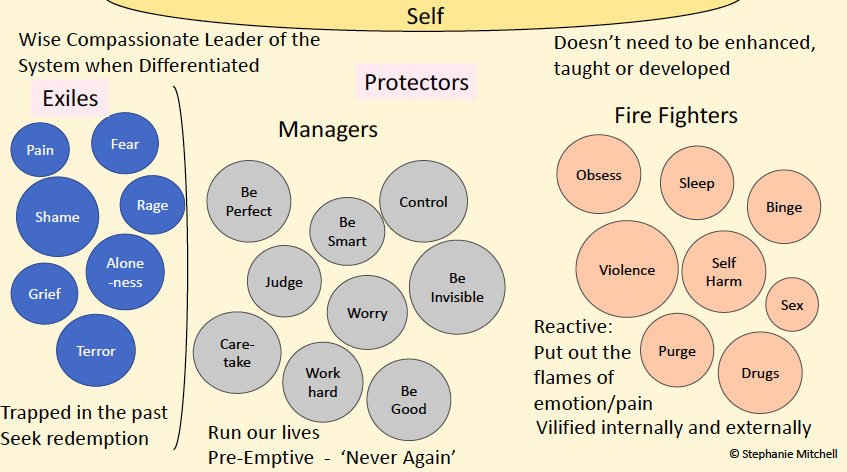
This image, created by Stephanie, depicts how IFS understands how trauma causes dissociation, the different roles Parts play, and resulting behaviours that can manifest. All Parts need the loving attention of the Self in order to feel safe enough to give up their role and bring in their natural qualities.
Image Source: Stephanie Mitchell. (This image is solely Stephanies)
The Brazilian #EmergingProud chapter have done us proud again by keeping the annual celebrations and conversations going – this hybrid event will be in Portugese, but we have translated the information so that the non-Portugese speaking Emerging Proud community can see what is happening! Huge kudos to Ligia, Maria and team for your ongoing dedication ❤
With great joy, we invite you to participate in the event: New Views on Mental Health.
The eighth annual Repensando a Madness event will be online and in person thanks to the support of @humanamundi ♥️
Saturday – May 25th In-person mode: 10am to 7pm (Reception from 9am. Rua Cordilleras, 163 – Vila Leopoldina – São Paulo.)
Online mode: 10am to 12pm 3pm to 5pm
We will continue to open space for dialogue between psychiatrists, psychologists and people who go through experiences of great psychological suffering and profound transformation, who have a lot to contribute by sharing their stories of overcoming.
Com muita alegria, convidamos você a participar do evento: Novos Olhares em Saúde Mental.
O oitavo evento anual do Repensando a Loucura será online e presencial graças ao apoio da @humanamundi ♥️
Sábado – 25 de maio
Modalidade presencial:
10h às 19h (Recepção a partir das 9h. Rua Cordilheiras, 163 – Vila Leopoldina – São Paulo.)
Modalidade online:
10h às 12h
15h às 17h
Vamos continuar abrindo espaço de diálogo entre psiquiatras, psicólogos e as pessoas que passam por experiências de grande sofrimento psíquico e profunda transformação, que têm muito a colaborar compartilhando suas histórias de superação.







 Reframing Mental distress as a potential catalyst for positive change